

Best Wellies for Walking Your Dog
The best wellies for walking your dog are waterproof, comfortable and supportive, with dependable grip for wet grass, muddy paths and uneven ground.
Whether you are taking a quick morning walk around the park or covering several miles across the countryside, the right footwear can help keep your feet dry, comfortable and secure in changing conditions.
With more than 20 years of experience supplying wellington boots, Welly Warehouse helps dog owners find suitable boots for everyday walks, muddy trails and colder winter weather.

What Are the Best Wellies for Walking Your Dog?
The best wellies for dog walking are flexible, waterproof boots with a cushioned footbed, a secure fit and a deeply treaded sole. Tall wellies provide more protection in deep mud and long wet grass, while ankle wellies are lighter and easier to wear for shorter walks and firmer paths.
Unlike wellies worn only occasionally, dog walking boots may be used every day and for longer periods. Comfort, flexibility and grip are therefore just as important as waterproof protection.
The right pair will depend on the length of your walks, the terrain you regularly cover and the time of year.
- Waterproof rubber construction
- Flexible upper for easier walking
- Cushioning under the foot
- Good grip on mud and wet grass
- A secure heel with minimal slipping
- Enough room for suitable walking socks
What to Look for in Dog Walking Wellies
A good dog walking welly should protect your feet without feeling excessively heavy or rigid. Prioritise the features that affect comfort and stability over long or frequent walks.
Waterproof construction
Fully waterproof rubber helps keep your feet dry through puddles, wet grass, rain and mud. Natural rubber is often more flexible than rigid synthetic alternatives, which can make it more comfortable for regular walking.
Cushioning and support
Look for a cushioned footbed, supportive insole or shock-absorbing midsole. These features can reduce the impact felt underfoot when walking on hard tracks, lanes and uneven trails.
Grip and traction
A deep, multidirectional tread can provide better traction on slippery mud, wet leaves and grass. The sole should also feel stable when moving between soft ground and harder surfaces.
Flexibility
A flexible, natural rubber boot allows the foot and ankle to move more naturally. Very stiff wellies may be suitable for occasional use but can become uncomfortable over longer distances, and often start to crack and fail with regular or heavy use.

Are Tall or Ankle Wellies Better for Dog Walking?
Tall and ankle wellies can both work well for dog walking. The best height depends on how muddy your route becomes, how much coverage you need and whether you prioritise protection or lightweight comfort.
Tall Dog Walking Wellies
Tall wellies provide the greatest coverage and are usually the best option for deep mud, standing water and long wet grass.
Choose tall wellies for:
- Muddy countryside paths
- Woodland and field walks
- Deep puddles and standing water
- Long wet grass
- Autumn and winter conditions
They also help protect the lower legs and keep trousers cleaner during particularly muddy walks.
Ankle Dog Walking Wellies
Ankle wellies are lighter, cooler and quicker to put on. They are ideal when deep mud and water are unlikely.
Choose ankle wellies for:
- Park and pavement walks
- Firm or maintained paths
- Short everyday walks
- Spring and summer use
- Easy slip-on convenience
Their shorter height can also make them easier to drive in and store by the door or in the car.
Choose tall wellies for deep mud, water and maximum coverage. Choose ankle wellies for lighter conditions, shorter walks and easy everyday wear.
Which Welly Lining Is Best for Dog Walking?
The best lining depends mainly on temperature, walking distance and how warm your feet usually become.
Neoprene-Lined Wellies
Neoprene provides insulation and soft cushioning around the foot and leg.
It is particularly useful for cold morning walks, winter conditions and dog owners who regularly spend long periods outdoors.
Jersey Lined Wellies
A lighter fabric lining is often more suitable for year-round use and warmer conditions.
It provides less insulation than neoprene, helping the boot feel cooler during spring and summer walks.
The Best Dog Walking Wellies for Each Season
Winter
Choose insulated or neoprene-lined wellies with a substantial sole and strong grip for cold, muddy and potentially icy conditions.
Spring
A flexible tall or mid-height welly works well for showers, soft ground and rapidly changing temperatures.
Summer
Lightweight ankle wellies are often the most comfortable option for morning dew, damp grass and occasional rain.
Autumn
Look for durable natural rubber, a secure fit and deep tread for wet leaves, soft paths and increasingly muddy ground.
All-Year Use
An uninsulated natural-rubber welly combined with seasonally appropriate socks provides the greatest versatility.
Very Cold Conditions
Select an insulated boot designed for lower temperatures, leaving enough room for warm socks without making the fit tight.
How Should Dog Walking Wellies Fit?
Dog walking wellies should feel secure around the foot and heel without squeezing the toes or calf. There should be enough space for suitable socks, but not so much room that the foot slides around inside the boot.
- Your toes should have space to move without touching the end of the boot.
- The heel should not lift excessively with each step.
- The widest part of your foot should not feel compressed.
- The calf opening should allow comfortable movement and accommodate your usual trousers.
- Try the boots with the type of socks you expect to wear while walking.
If you are between sizes or plan to add a thick insole, check the individual brand's fitting guidance rather than automatically sizing up.
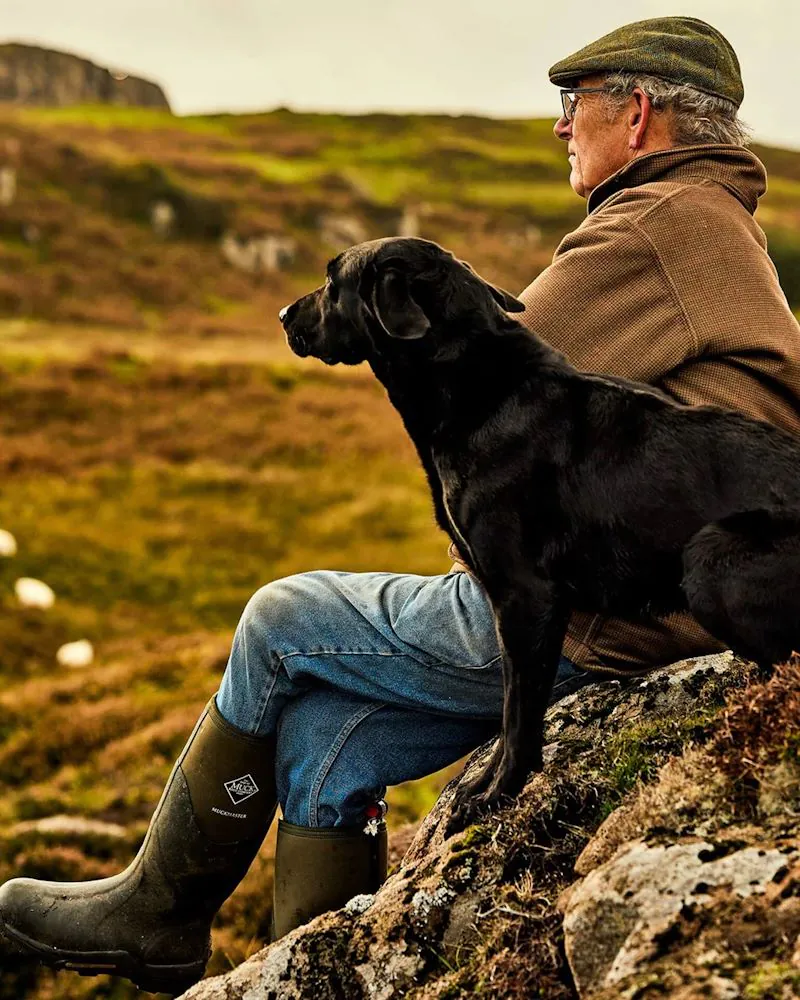
How to Choose Dog Walking Wellies
Start with the conditions you encounter most often rather than choosing solely by appearance or brand.
- Consider your usual terrain. Choose deeper tread for fields, woodland and muddy trails.
- Decide how much coverage you need. Tall boots protect against deep mud and wet vegetation; ankle boots suit lighter conditions.
- Think about walking distance. Longer walks require greater flexibility, cushioning and heel security.
- Choose the right warmth. Neoprene is useful in cold weather, while a lighter lining is more comfortable in warmer months.
- Check the fit with your normal socks. Make sure the boot is secure without feeling tight.
- Choose quality appropriate to use. Daily dog walkers will usually benefit more from a durable, comfortable boot than occasional users.
Quick Dog Walking Welly Checklist
- Deep mud: tall wellies
- Park walks: ankle wellies
- Cold weather: neoprene lining
- Long walks: cushioned footbed
- Slippery ground: deep tread
- Daily use: flexible natural rubber
Common Mistakes When Buying Dog Walking Wellies
Choosing on price alone
A low-cost pair can be suitable for occasional short walks, but regular dog walkers should also consider flexibility, cushioning, grip and expected lifespan.
Ignoring the sole
A smooth or shallow tread may feel acceptable indoors but provide less confidence on mud, wet grass and leaves.
Buying boots that are too loose
Excessive movement inside the boot can cause rubbing and make walking feel less stable.
Choosing more insulation than you need
Heavily insulated boots can become too warm during long or mild-weather walks. Match the lining to the conditions in which you will use the boots most often.
Recommended Wellies for Dog Walking
Take a look at some of our best-selling and most highly recommended dog walking styles.

Aigle Parcours 2 ISO
Best for long winter countryside walks

Le Chameau Vierzonord
Best for cold and muddy conditions

Hunter Balmoral Neoprene
Reliable performance from Hunter

Aigle Parcours 2 Vario
Best year-round everyday dog walking welly

Barbour Tempest Neoprene
Best value insulated dog walking welly

Barbour Nimbus
Best ankle height dog walking welly
Dog Walking Wellies FAQs
Are wellies suitable for long dog walks?
Wellies can be suitable for long dog walks when they have a comfortable footbed, flexible construction, supportive fit and secure grip. Basic rigid wellies intended only for occasional use may become uncomfortable over longer distances.
Are ankle wellies good for dog walking?
Ankle wellies are a good choice for park walks, maintained paths and lighter conditions. They are quick to put on, lightweight and generally cooler than tall boots. But in our experience they provide less protection in deep mud, puddles and long wet grass.
Are tall wellies better for muddy dog walks?
Tall wellies are normally better for muddy dog walks because they provide more coverage around the lower leg. They are particularly useful in deep mud, standing water, wet fields and long grass.
Should dog walking wellies be insulated?
Insulated wellies are useful for cold autumn and winter walks, especially when you spend long periods outdoors. For warmer weather or brisk walking, a lightly lined boot may be more comfortable.
What socks should I wear with dog walking wellies?
Wear comfortable walking or welly socks that manage moisture and reduce rubbing. The socks should be appropriate for the temperature without making the boots feel tight.
How do I stop my heels slipping in wellies?
Some movement is normal in pull-on wellington boots, but excessive heel lift may indicate that the boots are too large or too wide. Wearing suitable socks or adding an appropriate insole can improve the fit, provided the toes do not become cramped.
Can I wear dog walking wellies every day?
You can wear wellies every day when they fit properly and are designed for regular walking. Daily users should prioritise flexible rubber, cushioning, traction and durability.
How should I clean muddy dog walking wellies?
Allow heavy mud to soften or dry, then remove it using water and a soft brush or cloth. Avoid drying rubber wellies directly beside strong heat, as excessive heat can affect the rubber. See our full guide to caring for your wellies for more detailed instructions.