

Neoprene Wellies Explained
Neoprene wellies are designed to provide additional warmth, flexibility and comfort in cold and wet conditions. This guide explains how neoprene works, what thickness to choose and whether it is right for the way you use your wellies.
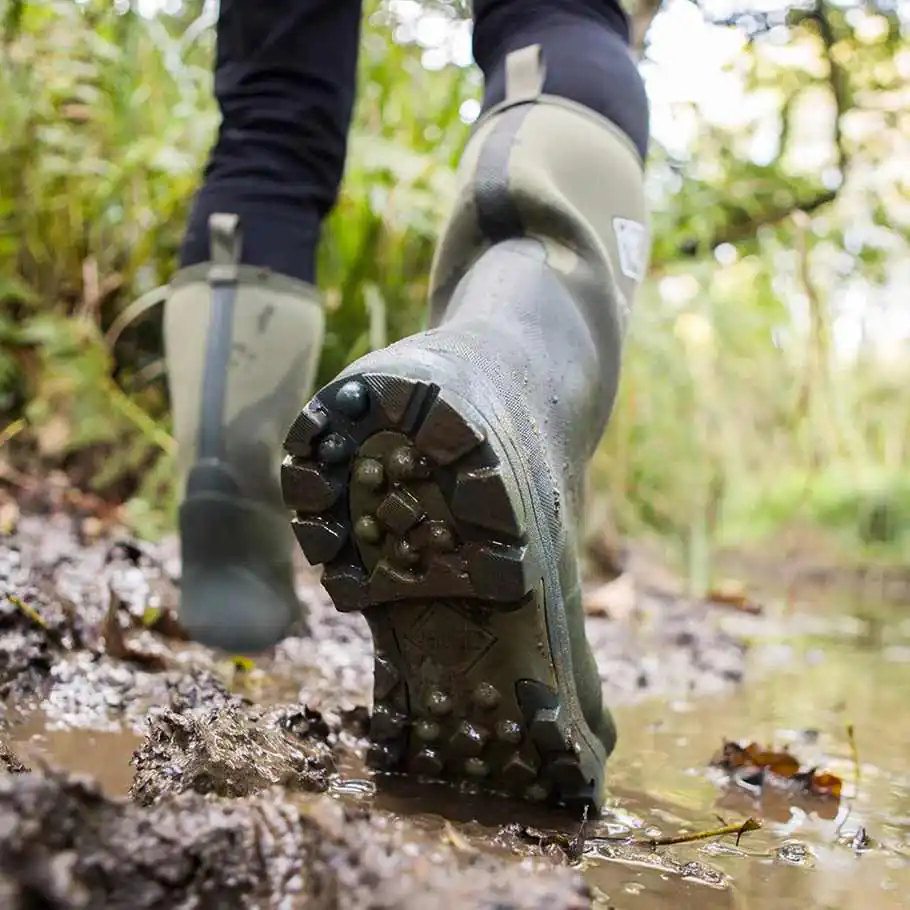
Neoprene wellies are a good choice when warmth and flexibility matter. The neoprene lining helps retain warmth and usually gives the boot a softer feel than an unlined rubber welly. They are particularly useful for winter walks, farming, fieldsports, yard work and other activities involving prolonged exposure to cold or wet ground.
What is neoprene?
Neoprene is a flexible synthetic rubber material that is widely used in protective outdoor clothing, including wetsuits, gloves and insulated footwear.
In wellington boots, neoprene is commonly used either as a lining inside a traditional rubber boot or as a substantial part of the boot’s upper construction.
Compared with a basic fabric lining, neoprene generally offers more insulation and cushioning. Its flexibility can also make a boot feel less restrictive around the foot, ankle and calf. As it stretches, it can be a good option for those that need a wellington boot with a wide calf circumference.

Neoprene is commonly used to add insulation, flexibility and cushioning.
How do neoprene wellies keep your feet warm?
Neoprene contains many small closed cells. These help slow the transfer of heat away from your feet and legs, allowing the material to act as an insulating layer between you and the colder conditions outside the boot.
Neoprene does not generate heat by itself. It helps retain the warmth already produced by your body. The effectiveness of that insulation can be affected by:
- The thickness and construction of the neoprene
- How closely the boot fits around your foot and calf
- The socks you wear inside the boot
- Your activity level and circulation
- The outside temperature and ground conditions
- Whether the boot includes additional fleece or insulation
A warmer boot is not always the best boot. Consider how active you will be and the time of year in which you will wear it. Heavy insulation can become uncomfortable during energetic walks or milder weather.
The main types of neoprene wellies
Neoprene wellies do not all use the material in the same way. The best construction depends on the balance of warmth, protection and flexibility you need.
Rubber wellies with a neoprene lining
These look and perform like traditional rubber wellington boots but include a neoprene lining inside the leg and foot.
The outer rubber provides protection and structure, while the lining adds insulation and cushioning.
Often best for: country walking, fieldsports, farming and users who prefer a structured traditional boot.
Neoprene-upper wellies
These boots usually combine a rubber foot and lower section with a softer waterproof neoprene upper around the calf.
The flexible upper can accommodate a wider range of calf shapes and may make the boots easier to bend, walk in and pull on.
Often best for: work, gardening, wider calves and users who value flexibility.
Neoprene and fleece-lined wellies
Some cold-weather boots combine neoprene with fleece or another insulating layer.
These can provide greater warmth than a standard neoprene lining but may feel too warm for mild conditions or energetic activity.
Often best for: snow, frost, winter yard work and long periods spent outside in the cold.
What thickness of neoprene should you choose?
In general, thicker neoprene provides more insulation, while thinner neoprene tends to feel lighter and more flexible. However, the entire boot construction matters—not only the neoprene measurement.
Approximately 2–3mm
A lighter neoprene lining can provide additional comfort and modest insulation without making the boot excessively warm.
It may suit transitional weather, moderate levels of activity and everyday outdoor use.
Approximately 4–5mm
This is a common range for more heavily insulated outdoor boots and provides substancially increased warmth and cushioning.
It can suit general cold-weather use for those that suffer with cold feet outdoors in the winter months or where activity levels are expected to be low.
Thicker or multi-layer insulation
Boots designed for more severe cold, snow and ice may use thicker neoprene or combine it with fleece, thermal foam and insulated footbeds.
These are most appropriate for extreme conditions, when warmth is more important than low weight.
Neoprene thickness alone does not provide a universal temperature rating. Always check the individual product specification and consider your activity level, socks, circulation and expected conditions.
Benefits and disadvantages of neoprene wellies
Advantages
- Better insulation than many unlined wellies
- Soft and cushioned feel around the foot and leg
- Greater flexibility than many rigid linings
- Useful for cold ground and winter conditions
- Some designs accommodate wider calves well
- Available in tall, mid-height and ankle styles
Possible disadvantages
- Can feel too warm during summer or energetic use
- Usually heavier than a simple unlined welly
- May take longer to dry if moisture gets inside
- Often costs more than an entry-level rubber boot
- A close-fitting upper may not suit every calf
- Perspiration can occasionally be mistaken for boots leaking
Who are neoprene wellies best for?
Dog walking
Neoprene can help keep your feet comfortable on cold early-morning walks, wet fields and muddy paths.
For longer walks, also consider boot weight, cushioning, heel security and sole flexibility.
Farming and outdoor work
Insulation is particularly valuable when standing on cold ground or working outside for prolonged periods.
Look for suitable tread, reinforcement and support as well as a warm lining.
Fieldsports
Traditional rubber boots with neoprene linings can provide warmth without sacrificing the structured shape preferred by many fieldsports users.
Adjustable gussets can also improve calf fit.
Equestrian use
A neoprene-lined boot can provide welcome warmth during winter yard work and time spent around paddocks and stables.
Choose a sole and shape appropriate for your intended equestrian activity.
Snow and ice
In very cold conditions, look for boots combining neoprene with additional insulation and an outsole designed for winter surfaces.
No ordinary tread can eliminate the risk of slipping on ice, so continue to walk carefully.
Gardening
Short and ankle-height neoprene boots can be useful for chilly gardening jobs without the bulk of a tall winter welly.
Consider an easy-to-clean sole and a wide opening for quick removal.
Shop neoprene and insulated wellies
Men’s neoprene wellies
Browse warm and insulated men’s boots for walking, work, fieldsports and everyday winter use.
Women’s neoprene wellies
Explore insulated women’s wellies in a range of heights, fits, colours and constructions.
Children’s insulated wellies
Find fleece and neoprene-lined wellies designed to help keep younger feet comfortable in cold weather.
How should neoprene wellies fit?
Neoprene should feel comfortably close to your foot and leg without creating pressure or restricting circulation.
A secure fit can help retain warmth, but the boots must still allow your toes to move and leave room for the socks you intend to wear.
- Measure both feet and use the larger measurement.
- Measure the widest part of your calf.
- Check the internal boot height and calf opening.
- Wear your usual welly socks when trying them on.
- Make sure your toes are not touching the front.
- Check that your heel does not lift excessively.
What socks should you wear with neoprene wellies?
Choose socks that provide cushioning and moisture management without making the boots excessively tight. A well-fitting wool-blend or technical welly sock should be all you need with the added insulation offered by the neoprene. We would never recommend wearing several pairs of socks at once, which can quickly become uncomfortable.
If the combination of thick socks and neoprene compresses your feet, it may restrict circulation and leave your feet feeling colder rather than warmer.
How to clean and care for neoprene wellies

- Remove loose mud using cool or lukewarm water.
- Use a soft cloth or brush on the rubber exterior.
- Avoid aggressive cleaning products unless the manufacturer specifically recommends them.
- If the interior becomes wet, remove any removable insoles and allow the boot to dry naturally.
- Do not place neoprene wellies directly beside a radiator, fire or other intense heat source.
- Store the boots upright in a cool, dry place away from prolonged direct sunlight.
Neoprene wellies: common questions
Are neoprene wellies warmer than ordinary wellies?
Neoprene-lined wellies will generally provide more insulation than comparable unlined or lightly fabric-lined boots. The actual warmth depends on the thickness, boot construction, fit, socks and conditions.
Are neoprene wellies waterproof?
Neoprene is resistant to water, but the waterproof height of a finished boot depends on its complete construction and seams. While there are neoprene boots on the market that are not guaranteed to be waterproof, all of the neoprene wellies sold at Welly Warehouse are 100% waterproof, unless stated otherwise on the product detail page.
Can you wear neoprene wellies in summer?
You can, but a heavily insulated boot may become uncomfortably warm in mild weather or during energetic activity. A lighter, polyester or jersey fabric lining may be more versatile if you need one pair for year-round use.
What does 5mm neoprene mean?
It refers to the approximate thickness of the neoprene material used in the stated part of the boot. A 5mm construction will generally provide more insulation than thinner neoprene, but it should not be treated as a guaranteed temperature rating.
Are neoprene wellies suitable for wide calves?
Some are. Flexible neoprene uppers can accommodate a wider range of calf shapes than rigid rubber, while traditional boots may use adjustable gussets. Always compare your calf measurement with the measurements given for the individual style.
Should you wear thick socks with neoprene wellies?
Not necessarily. The lining already provides insulation, and an excessively thick sock may make the boot too tight which has the opposite effect and can make your feet feel cold. Choose a comfortable, moisture-managing sock that works with the fit of the boot.
Are neoprene wellies good for walking?
They can be, particularly in cold weather. However, comfort over longer distances also depends on weight, flexibility, cushioning, support, heel fit and outsole design. Choose a walking-appropriate boot rather than relying on the lining alone.
Do neoprene wellies make your feet sweat?
They can feel warm during energetic activity or mild weather. Breathable linings and appropriate socks may help manage moisture, but anyone who tends to have warm feet may prefer lighter insulation.
Should neoprene wellies be cleaned differently to rubber wellies?
No, neoprene wellies should be cared for in much the same way as traditional rubber boots. Read our complete guide to cleaning and caring for your wellies for more detailed information.
Shop neoprene and insulated wellies
Browse warm wellington boots for men, women and children, including traditional neoprene-lined styles and flexible waterproof neoprene boots.